Comfortable full leather lining eye-catching unique detail to the toe low ‘cut-away’ sides clean and sleek harmony.
Adamson Janny
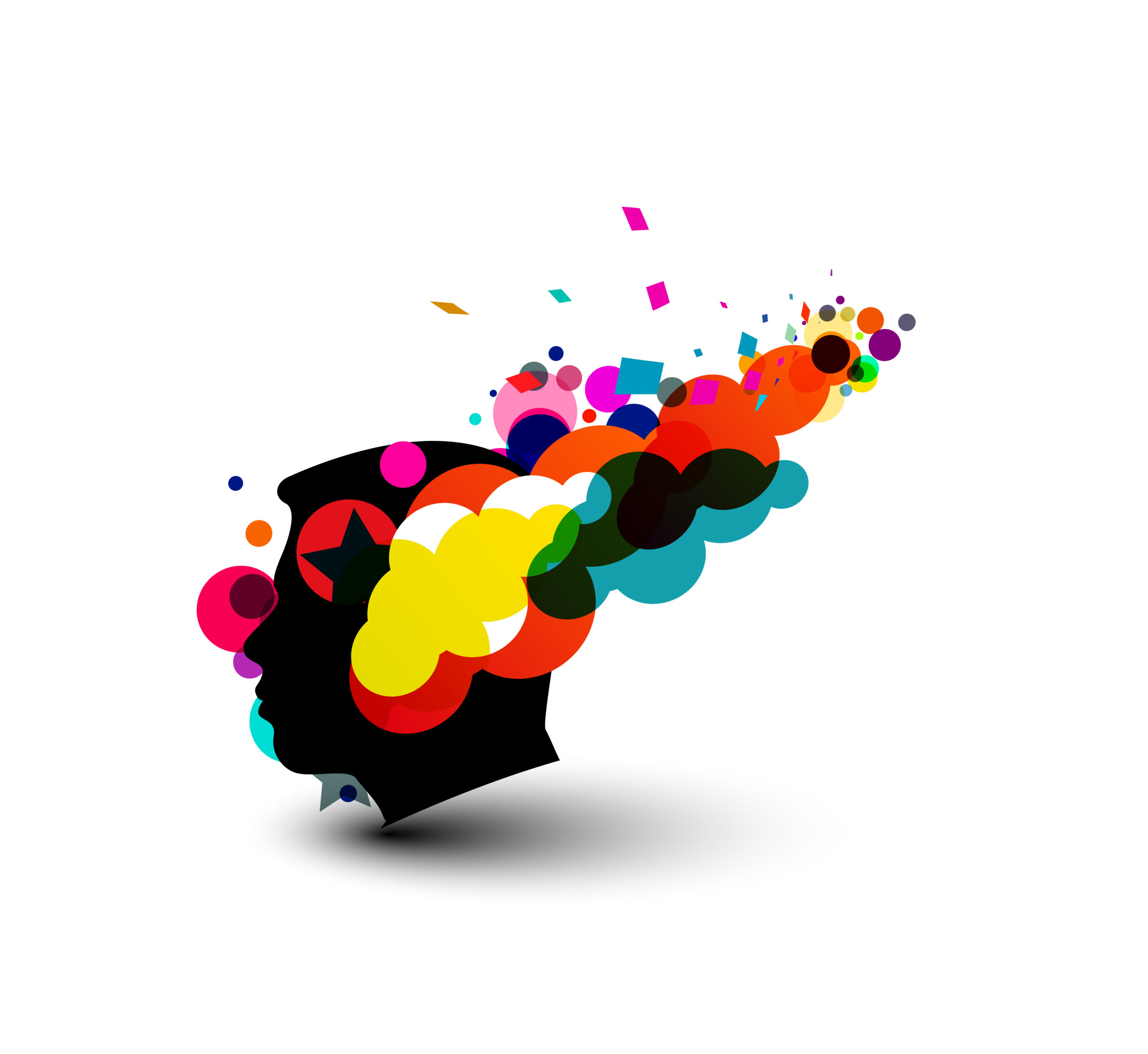
Color is one of the most powerful tools a designer can use. It communicates mood, guides attention, and influences decision-making in ways that often happen subconsciously.
In a digital-first world, where users scroll through endless websites, apps, and social media feeds, the colors you choose can make the difference between capturing attention and being ignored.
Understanding color psychology allows designers to create visuals that are not only aesthetically pleasing but also strategically effective.
The Emotional Language of Color
Colors evoke emotions.
Red can signal urgency, excitement, or danger, while blue often conveys trust, calm, and stability. Green suggests growth and sustainability, while yellow can feel cheerful or cautionary depending on context.
These associations are influenced by culture, context, and personal experience, but some responses are almost universal.
Digital design relies heavily on these emotional cues. When used thoughtfully, color can create a sense of hierarchy, direct users’ focus, and reinforce brand personality. Designers must consider not just what looks good but how colors will make users feel and react.
Guiding Attention Through Color

One of the most practical applications of color psychology is in guiding attention. Users naturally gravitate toward elements that stand out, and contrast plays a key role in this.
For example, a brightly colored call-to-action button on a neutral background immediately draws the eye, increasing the likelihood of engagement.
Color can also help organize content. Designers often use consistent color coding to group related information, making complex pages easier to navigate.
For instance, an e-commerce site might use one color for promotions, another for product categories, and a third for navigation elements. This subtle guidance improves usability without the user even realizing it.
Establishing Brand Identity
Color is inseparable from brand identity.
Iconic brands are often recognized by color alone: think Tiffany blue, Coca-Cola red, or the unmistakable yellow of McDonald’s arches. Choosing a brand palette involves more than picking colors that look appealing together.
It requires considering the personality the brand wants to project and how users will perceive it across different digital touchpoints.
A strong color identity also fosters consistency across projects. Websites, social media posts, email campaigns, and even motion graphics all reinforce the same visual message when they adhere to a cohesive color strategy. This consistency builds recognition and trust over time.
Cultural and Contextual Sensitivity
Color perception is not universal. Cultural factors, accessibility concerns, and context can all influence how a color is received.
For example, white is associated with purity in some cultures but mourning in others. Similarly, high-contrast color combinations may look striking to some users but create challenges for those with visual impairments.
Designers must balance aesthetic choices with inclusivity. Tools such as contrast checkers and color-blind simulators can ensure that designs are accessible and effective for a wider audience. Awareness of context ensures that color choices enhance communication rather than unintentionally confuse or alienate users.
Practical Applications in Digital Design
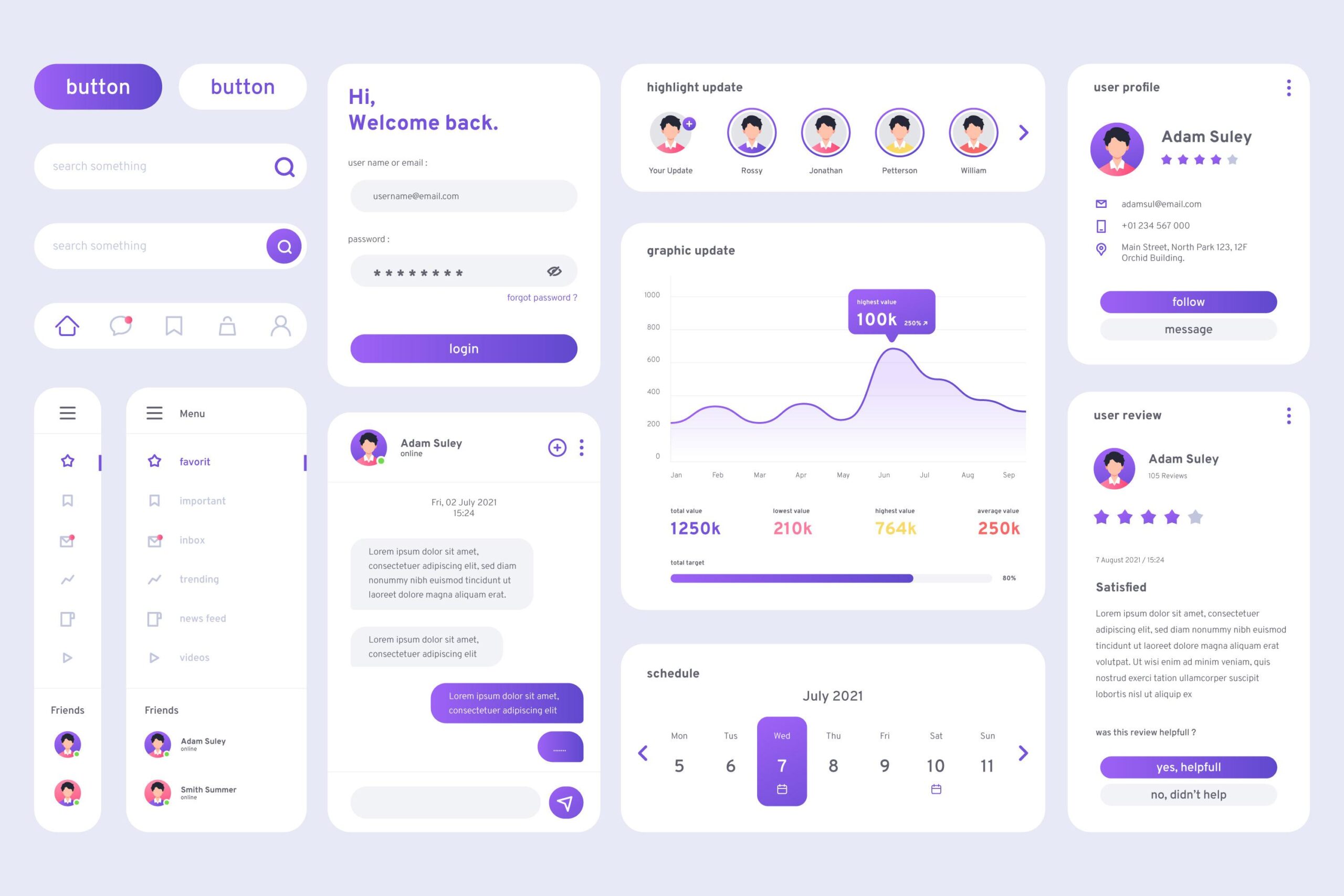
- User Interfaces: Buttons, forms, and navigation elements benefit from colors that indicate function and importance. Bright, contrasting colors can signal actionable items, while muted tones indicate secondary or passive elements.
- Motion Graphics and Animations: Color shifts in animations can direct attention, emphasize transitions, and create emotional impact. A smooth gradient shift might feel calming, while a sudden flash of color can indicate urgency or alert the user.
- Infographics and Data Visualization: Color can differentiate categories, highlight trends, or draw attention to key statistics. Choosing the right palette prevents confusion and ensures clarity, making complex data more digestible.
- Portfolio Highlights and Visual Projects: Designers often use color strategically in portfolios to emphasize skill, showcase versatility, or communicate the mood of a project. A consistent palette can create a cohesive and professional impression.
Testing and Iteration
Even with an understanding of color psychology, assumptions must be tested. User behavior, engagement metrics, and A/B testing provide insight into how colors perform in real-world scenarios.
A color that seems ideal in theory may underperform in practice, while small adjustments can significantly improve comprehension, interaction, or emotional impact.
Iterating based on data ensures that color choices are both deliberate and effective. It transforms color from a purely aesthetic decision into a strategic tool for engagement.
Strong Visual Experiences Begin with Thoughtful Color Decisions
Color in digital design is far more than decoration. It shapes perception, influences emotions, guides attention, and reinforces brand identity. By understanding color psychology and applying it thoughtfully, designers can create visuals that engage users, communicate messages clearly, and leave a lasting impression.
From user interfaces to motion graphics, infographics, and portfolio presentations, color is an integral part of every visual decision. Strategic choices in hue, contrast, and saturation can transform a design from visually appealing to powerfully communicative. In a world where attention is scarce, the right colors can make your design impossible to ignore.